Welcome to the LongyearObs Project Website
What is LongyearObs?

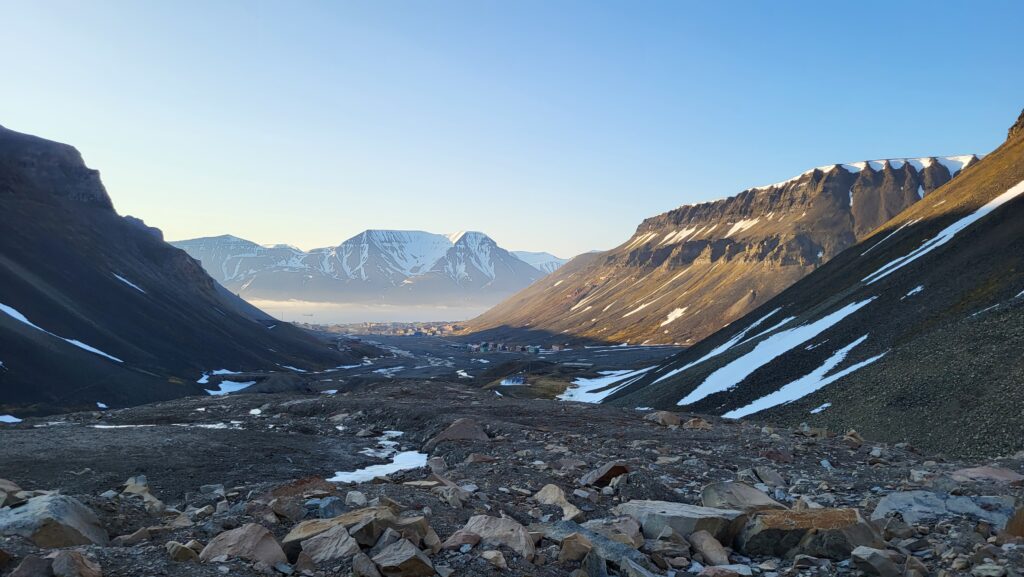
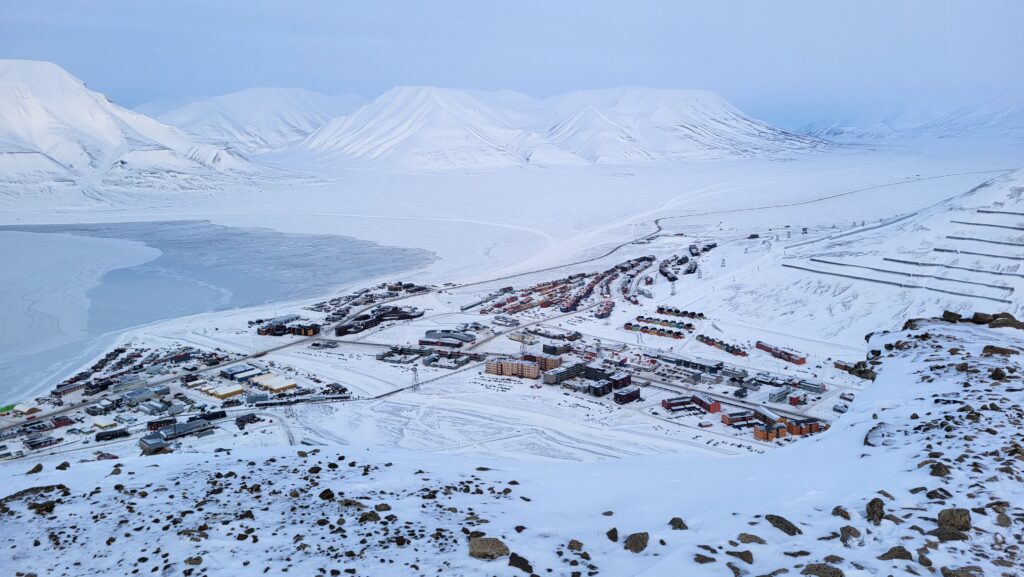
The LongyearObs project (Enhanced Science Outreach and Weather Observations in Longyearbyen) connects the residents of Longyearbyen with local climate and permafrost science.

Community-Powered Research
A key goal of LongyearObs is to empower you to become a citizen scientist. We invite residents to contribute directly to the ThawingLYR project (2025-2027), which focuses on local permafrost and weather conditions in Longyearbyen, by hosting a private weather station at your home. The data you collect help us understand our changing environment in greater detail.

Sharing Knowledge
LongyearObs builds on the work of ThawingLYR and its predecessor PermaMeteoCommunity (2021-2024). LongyearObs makes the topics covered by both projects accessible to everyone by providing clear, easy-to-understand online information about critical topics like permafrost thaw, climate change, and landslide risk. Scroll down for more information on these topics!

Funding

LongyearObs is proudly funded by the Svalbard Environmental Protection Fund.
Permafrost in Svalbard

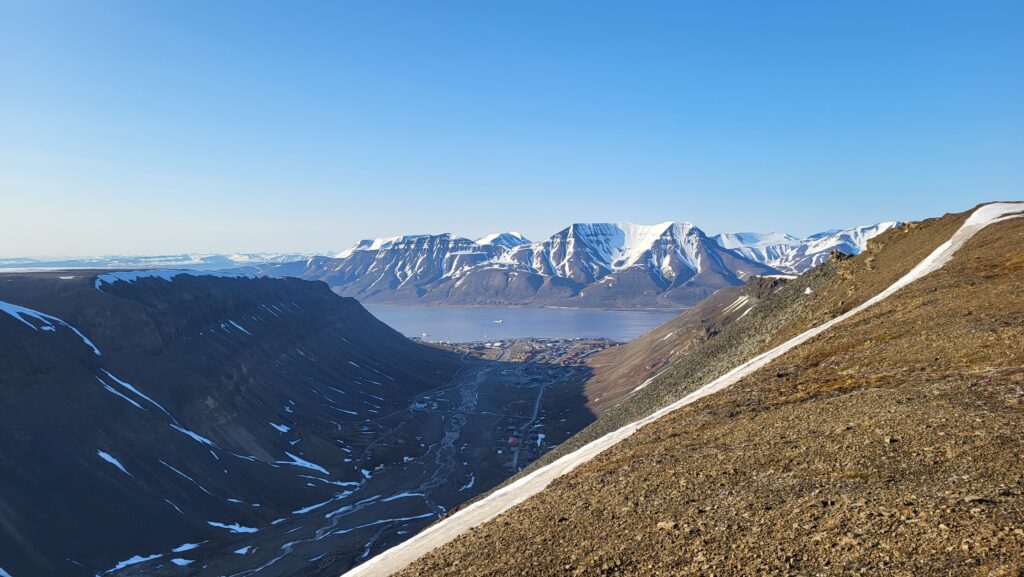
Permafrost, a remarkable natural phenomenon characteristic of the Arctic, describes ground that remains below 0°C for at least two consecutive years. Permafrost covers about 15% of Earth’s northern hemisphere and it is highly sensitive to climate change. Warmer temperatures and changing precipitation patterns lead to accelerated thawing of the active layer, which is the layer that freezes and thaws annually on top of the permafrost. In turn, this poses increased risks for natural hazards such as landslides. To monitor the ground conditions in Longyearbyen, several boreholes have been established as part of the PermaMeteoCommunity project and more will be established in the ThawingLYR project.

Photo: Sarah Thomae
Photo: Sarah Thomae

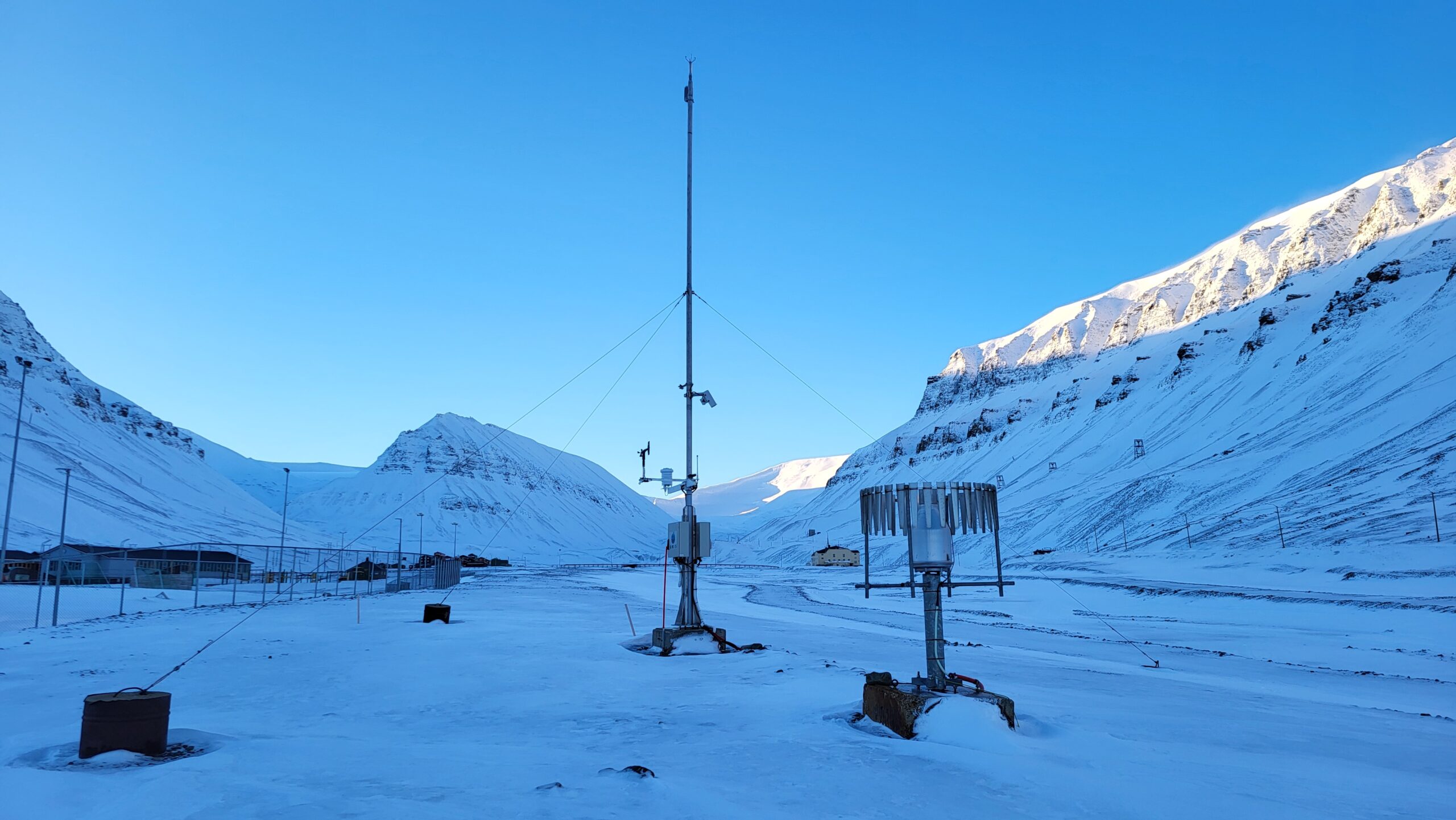
Weather Stations

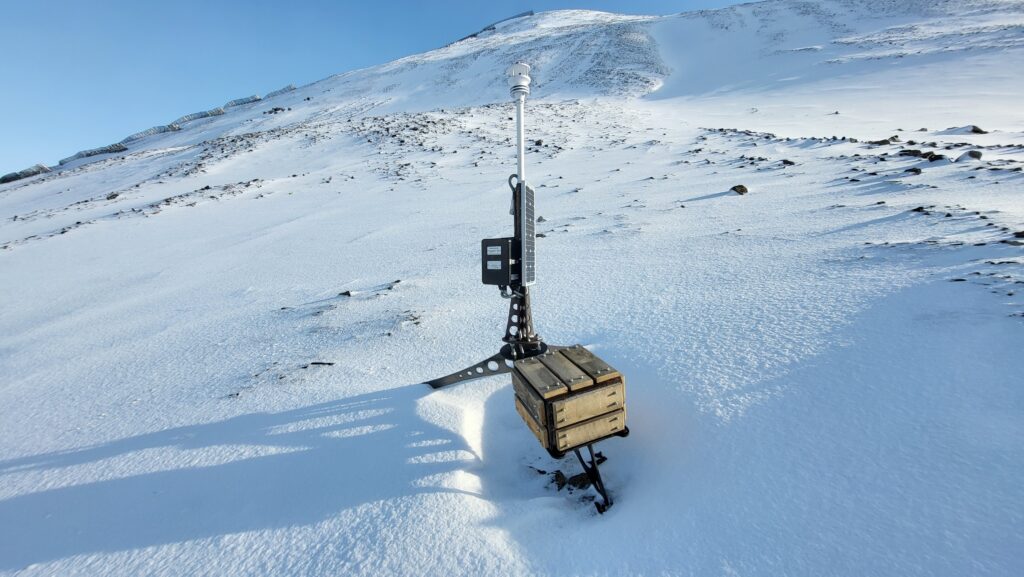
Thanks to the PermaMeteoCommunity project and collaborative partners, a local network of automatic weather stations have been established in Longyearbyen to monitor the weather there.
In addition, as part of the LongyearObs project, local inhabitants are invited to contribute their own data to this network by hosting private weather stations. Scroll down to learn more about this opportunity.

Permafrost boreholes

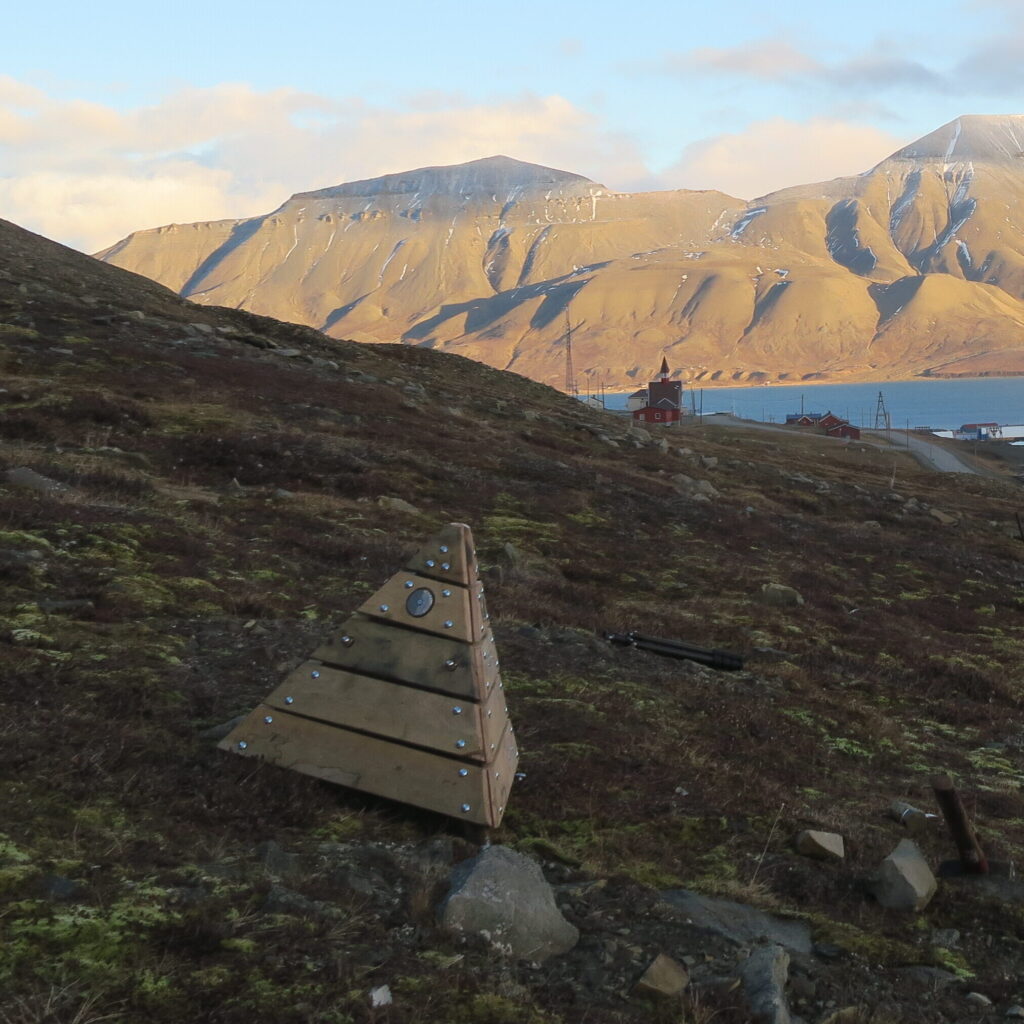
To monitor the conditions in the ground, a set of permafrost boreholes have been established through the PermaMeteoCommunity project and more will be established in the ThawingLYR project.

Photo: Sarah Thomae

Photo: Sarah Thomae

The PermaMeteoCommunity Project

Was an interdisciplinary project focusing on developing resilience in Arctic communities by providing a climate change response system. Key parts of this system are weather stations and permafrost boreholes. This system is designed to assist decision-making by providing real-time key geo-scientific observations affected by the increasing climatic changes, especially the high Arctic environment.

The PermaMeteoCommunity project has now come to an end and much of the work in the project is continued in the ThawingLYR project (2025-2027).

The ThawingLYR Project

“Thawing Arctic Permafrost, Emerging Risks: Managing Critical Infrastructure, Cultural Heritage, and Mountain Slopes Under Climate Change”, is a follow-up project of the PermaMeteoCommunity project. It will further facilitate the provision of real-time access to data on permafrost temperatures, water content, meteorological conditions, ground ice distribution, and terrain movement.

The project studies the impacts of climate change and weather on Arctic permafrost, focusing on critical infrastructure, cultural heritage objects and mountain slope. ThawingLYR follows a cross-disciplinary approach, integrating mapping, observation, modelling, and data synthesis. Learn more about the project at www.thawinglyr.com

Photo: Gina Schulz

Contribute with a Private Weather Station

Residents of Longyearbyen can contribute to the LongyearObs project by hosting a private weather station. These stations are Netatmo Smart Home Weather Stations, provided by LongyearObs.